Google Search Console Guide 2026: Best Free SEO Tool for Real Site Growth? — ToolStackVault
Google Search Console Guide 2026: Best Free SEO Tool for Real Site Growth?
We use Google Search Console daily to monitor indexing, discover query growth opportunities, optimize CTR, and diagnose technical search issues across live affiliate sites. This guide explains the workflows that actually move rankings — and where GSC falls short.
Google Search Console is the single most important SEO tool you should use — regardless of what paid tools you own. It is the only platform that shows you first-party data from Google itself: real impressions, actual clicks, accurate average positions, indexing status, crawl health, and Core Web Vitals — for free. It will not replace Ahrefs or Semrush for competitive research, backlink analysis, or keyword discovery. But for understanding how Google actually sees, indexes, and ranks your pages, nothing else comes close. Every serious site owner should open GSC weekly. See all our picks in the Best SEO Tools 2026 comparison.
Quick Specs & Overview
| Type | Search Performance & Indexing Platform |
| Best For | Monitoring real Google search data, indexing diagnostics, CTR optimization |
| Price | Free — forever, no limits, no trial |
| Data Source | First-party data directly from Google’s index |
| Data History | 16 months of performance data |
| Key Reports | Performance, Coverage, Core Web Vitals, Sitemaps, Removals, Links |
| URL Inspection | Live test of how Google sees any URL on your site |
| API Access | Yes — free, with generous rate limits |
| Integrations | Looker Studio, GA4, BigQuery |
| ToolStackVault Rating | 9.2/10 |
Performance Report — The Core Feature
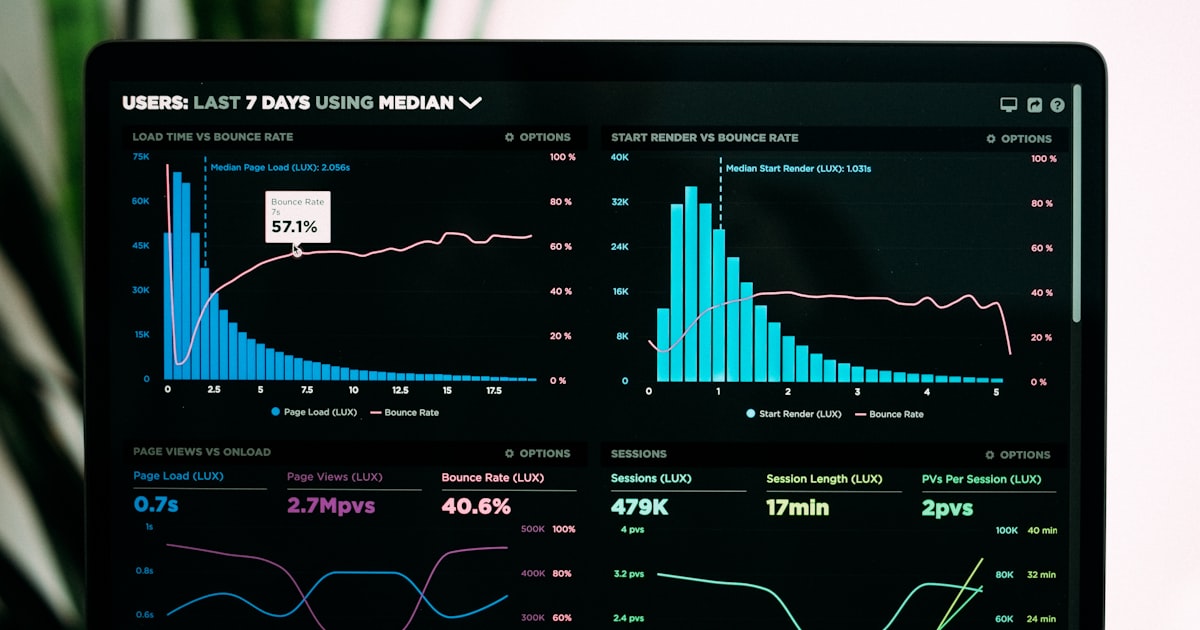
The Performance report is the most valuable free SEO data source in existence. It shows you exactly how your pages appear in Google search: impressions (how often your pages show up), clicks (how many people click through), CTR (click-through rate), and average position — filterable by query, page, country, device, search type, and date range.
What GSC Shows vs. What Paid Tools Estimate
Unlike Semrush and Ahrefs — which estimate your traffic, rankings, and search volumes — GSC shows you the actual data. When Semrush estimates your page gets 500 visits/month and GSC shows 1,200, GSC is right. This makes it the ground-truth layer that every paid tool should be validated against.
For affiliate sites, the Performance report is where you discover the most actionable opportunities: pages ranking position 4–8 that could jump to position 1–3 with title optimization, pages with high impressions but low CTR (a clear signal that your title or meta description needs work), and queries you rank for that you didn’t intentionally target — which often reveal new content opportunities.
💡 The Quick-Win Workflow We Use Weekly
Filter the Performance report by “average position 3–8” and sort by impressions (descending). These are your pages that already rank but could climb to positions 1–3. For each, check the CTR — if it’s below 4%, the title likely needs improvement. This single workflow has driven more organic growth for ToolStackVault than any paid tool recommendation.
Indexing & Coverage
The Pages report (formerly Coverage) shows you exactly which URLs on your site are indexed, which are excluded, and why. This is critical for diagnosing common problems: pages blocked by robots.txt that shouldn’t be, URLs with “noindex” tags accidentally applied, crawl anomalies like 5xx server errors, redirect issues flagged during Google’s crawl, and duplicate content that Google chose not to index.
For content sites publishing regularly, monitoring the indexing status weekly catches problems before they compound. A new review page that isn’t indexed after 7 days is a signal that something is wrong — typically insufficient internal links, a noindex directive, or crawl budget being consumed by low-value pages.
The URL Inspection tool lets you live-test any URL: see Google’s cached version, check whether it’s indexed, view the canonical URL Google selected, inspect mobile usability, and request indexing for new or updated pages. For site launches and content updates, this is the fastest way to verify Google has processed your changes.
CTR Optimization Workflow
CTR optimization is the highest-ROI activity you can do in GSC. No paid tool provides this data with the same accuracy. The workflow is straightforward:
Step 1: Filter the Performance report for pages with your target queries. Sort by impressions descending.
Step 2: Identify pages where CTR is below the expected rate for their average position. As a benchmark: position 1 should get 25–35% CTR, position 2–3 should get 10–18%, positions 4–10 should get 3–8%. If your page significantly underperforms these benchmarks, the title and meta description need work.
Step 3: Rewrite the title to include the primary query, add a compelling differentiator (year, specific benefit, unique angle), and ensure the meta description addresses user intent clearly. Monitor the effect over 2–4 weeks.
On a site like ToolStackVault, this workflow typically yields 15–30% traffic increases on optimized pages — without changing any content, building any links, or spending any money.
Core Web Vitals & Page Experience
GSC’s Core Web Vitals report shows real-user performance data for your pages, grouped into “Good”, “Needs Improvement”, and “Poor” categories based on LCP (Largest Contentful Paint), INP (Interaction to Next Paint), and CLS (Cumulative Layout Shift).
This data comes from the Chrome User Experience Report (CrUX) — real metrics from actual Chrome users visiting your site. Unlike lab tools (Lighthouse, PageSpeed Insights), these are field measurements that reflect how your pages perform for real visitors on real devices and connections.
For affiliate sites with monetization elements (ad scripts, affiliate redirects, tracking pixels), CWV monitoring is especially important. These elements can degrade LCP and INP if not properly optimized, and GSC is the definitive source for measuring whether your performance is meeting Google’s thresholds.
Structured Data & Enhancements
GSC validates your structured data implementation and reports errors that could prevent rich results from appearing. For review sites, this includes Review and AggregateRating schema, FAQ schema (which can generate expanded search results), HowTo schema, and Product schema.
The Enhancement reports show exactly which pages have valid structured data, which have warnings, and which have errors — with specific guidance on what to fix. For ToolStackVault, ensuring every review page has valid Review schema and every pricing section has valid Product schema is essential for achieving rich results in Google search.
Where GSC Falls Short
GSC is powerful but narrow. Here is what it cannot do and what paid tools do better:
No competitor analysis. GSC only shows data for your own site. You cannot see competitor rankings, traffic, or backlinks. For competitive intelligence, you need Semrush or Ahrefs.
No keyword research. GSC shows queries you already rank for, but it cannot suggest new keywords to target or estimate search volumes for keywords you do not rank for. For keyword discovery, use Semrush, Ahrefs, or SE Ranking.
No backlink analysis. GSC shows a basic list of linking sites and pages, but the data is limited and delayed. For serious backlink research and link building, Ahrefs’ 35T+ index is the standard.
Limited historical data. GSC stores 16 months of performance data. For long-term trend analysis, you need to export data regularly or connect GSC to BigQuery or Looker Studio for historical archiving.
No actionable recommendations. GSC shows you data but rarely tells you what to do about it. Interpreting the data and translating it into action requires SEO expertise. Paid tools like Semrush provide specific recommendations alongside the data.
Who It’s For — And Who Needs More
✓ GSC Is Essential For
Every website owner — GSC should be set up and monitored for every site, no exceptions. Content publishers and bloggers who need to find CTR opportunities, monitor indexing, and validate technical health. Affiliate site owners who need real query data to optimize review pages and pillar content. Technical SEOs who need indexing diagnostics, structured data validation, and CWV monitoring. SEO beginners who want to understand how Google sees their site before investing in paid tools.
✗ You’ll Need Paid Tools If
You need competitive intelligence — GSC only shows your own site data. Use Semrush. You need keyword research — GSC does not discover new opportunities. Use Semrush or Ahrefs. You do link building — GSC’s backlink data is limited. Use Ahrefs. You need deep technical crawls — GSC flags issues but doesn’t crawl your site. Use Screaming Frog.
Full Pros & Cons
- Completely free — no trial, no limits, no credit card
- First-party data directly from Google (100% accurate)
- Performance report for real impressions, clicks, CTR, and position
- Indexing diagnostics with specific error explanations
- URL Inspection for live testing any page
- Core Web Vitals from real Chrome user data
- Structured data validation with actionable error reports
- Free API with generous rate limits
- Integrates with GA4, Looker Studio, and BigQuery
- Request indexing for new or updated page
- 16 months of searchable historical data
- Sitemap submission and monitoring
- No competitor analysis — only your own site data
- No keyword research or discovery for new queries
- Backlink data is basic and delayed
- No actionable recommendations — data requires interpretation
- 16-month data limit (need external archiving for longer history)
- Interface is functional but not built for workflow automation
- Query data can be sampled for very large sites
- No email alerts for ranking drops (only indexing issues)
- Cannot track specific keywords over time (need rank trackers for that)
- Learning curve for beginners who don’t know what to look for
Final Verdict & Score Breakdown
Google Search Console earns a 9.2 out of 10 because it provides irreplaceable first-party search data that no paid tool can replicate. The high score reflects the fact that it is both the most accurate and the most affordable (free) SEO tool available. The points deducted reflect its narrow scope — no competitor intelligence, no keyword research, and no backlink depth.
The perfect 10.0 for Data Accuracy and Value for Money says it all — no other tool gives you this level of ground-truth search data at any price, let alone for free. The 0.0 for Competitive Analysis is deliberate: GSC simply does not do this, and pretending otherwise would be dishonest.
Bottom line: Google Search Console is not optional. It is the baseline SEO platform that every other tool is built on top of. Set it up, check it weekly, and pair it with a premium tool (Semrush, Ahrefs, or SE Ranking) for the competitive intelligence and keyword research that GSC cannot provide.
Pair GSC With These Tools
The Ideal SEO Stack Alongside GSC
GSC shows what you already rank for. Semrush shows what you should target next. Together, they cover the full SEO workflow from discovery to optimization. Read our Semrush review →
GSC’s backlink data is basic. Ahrefs’ 35T+ index gives you the full picture of your link profile and your competitors’ links. Read our Ahrefs review →
GSC flags indexing issues but cannot crawl your site. Screaming Frog provides the deepest technical audit available. Read our Screaming Frog review →
If you cannot afford Semrush or Ahrefs, SE Ranking covers keyword research, rank tracking, site audit, and backlink analysis at $52/mo — a strong companion to GSC. Read our SE Ranking review →
Compare Next
Frequently Asked Questions
Yes, completely free. No trial period, no credit card required, no premium tier with hidden features. You get full access to all reports, the API, URL Inspection, and all other features at no cost. Google provides it because having webmasters monitor and fix their sites benefits Google’s index quality.
For active content sites, check the Performance report weekly. Check Indexing/Coverage reports after publishing new content and whenever you make structural site changes. Check Core Web Vitals monthly or after site performance updates. Set up email notifications in GSC settings to get alerts for critical indexing issues automatically.
No. GSC and paid SEO tools serve different purposes. GSC shows you how Google sees your site (first-party data). Semrush and Ahrefs show you how competitors perform, suggest new keywords to target, analyze backlink profiles, and provide actionable recommendations. The best approach is using GSC as your ground-truth layer and a paid tool for competitive research and keyword discovery.
GSC stores 16 months of Performance data. For longer-term analysis, export your data regularly to Google Sheets, connect GSC to BigQuery (free for moderate usage), or build a Looker Studio dashboard that archives historical snapshots. Several third-party tools (including SE Ranking and Semrush) can also import and store GSC data for extended periods.
The Search Analytics API lets you pull performance data programmatically — useful for custom dashboards, automated reporting, and large-scale analysis beyond what the web interface supports. The API is free with generous rate limits (25,000 requests per day per site). Many SEO tools and Looker Studio connectors use this API under the hood.
Because they measure different things. GSC shows actual impressions and clicks from Google’s servers. Semrush estimates traffic based on ranking data and predicted CTR curves. GSC data is always more accurate for your own site. Semrush is more useful for estimating competitor traffic and discovering keywords you do not rank for yet.
The Bottom Line
Google Search Console is not optional. It is the foundational SEO tool that shows you exactly what Google sees, indexes, and ranks. Every other SEO tool is built to complement it, not replace it.
Last verified March 2026. Back to SEO Hub →